
To work out how much paint you need, measure the surface area, subtract openings, multiply by the number of coats and divide by the coverage on the tin. Then add a small allowance for wastage and touch-ups. That works for a house, an office or a warehouse, only the numbers change.
Step 1: Measure the area
For walls, multiply the length of each wall by its height and add them together. For ceilings, multiply length by width. For exteriors, measure each elevation the same way. Use metres for everything so the numbers match paint coverage figures.
Step 2: Subtract the openings
Windows and doors don’t need paint on their glass or panels, so take their area off. Very small openings can usually be ignored, but big glass areas, roller doors and openings on commercial buildings make a real difference.
Step 3: Decide the number of coats
Most jobs need two coats. A colour change from dark to light, or bare and repaired surfaces, may need a primer plus two topcoats. Multiply your area by the number of coats to get the total area to cover.
Step 4: Check the coverage
Every tin lists how many square metres a litre will cover. That figure changes with the product and the surface. Rough, porous or unprimed surfaces soak up more paint than smooth, sealed ones. Divide your total area by the coverage to get the litres needed.
Step 5: Allow for wastage
Add a little extra for spills, roller loss, cutting in and touch-ups. It’s better to have a bit left over than to run out halfway through a wall, because a second batch can differ slightly in colour. Keep the spare for future repairs.
Commercial and large surfaces
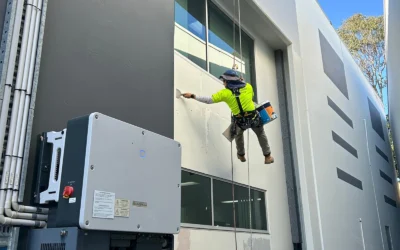
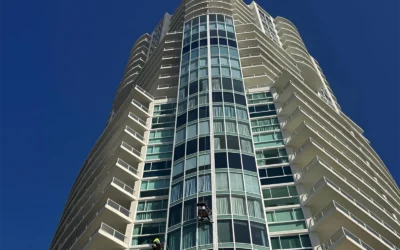
On big jobs, such as warehouses and multi-storey buildings, professionals measure carefully and confirm quantities against data sheets. Method of application also matters, because spraying uses more paint than rolling. Our post on spray versus roller painting explains why.
Just painting one room?
We’ve worked through a full example in our guide to calculating how much paint you need for a room. For product choice, read what makes a quality paint.
Measure twice, buy once
If the job’s big or complicated, let a professional measure it. See our residential painting and commercial painting services, or request a quote.
McAuliffe Painting. Eagle Farm, Brisbane QLD 4009. QBCC Lic 15183972.